
Our Blog

When Words Aren't Enough: The Language Your Body Already Speaks
When language runs out, most people still have a body that has been keeping a detailed record, and there are ways to read it.
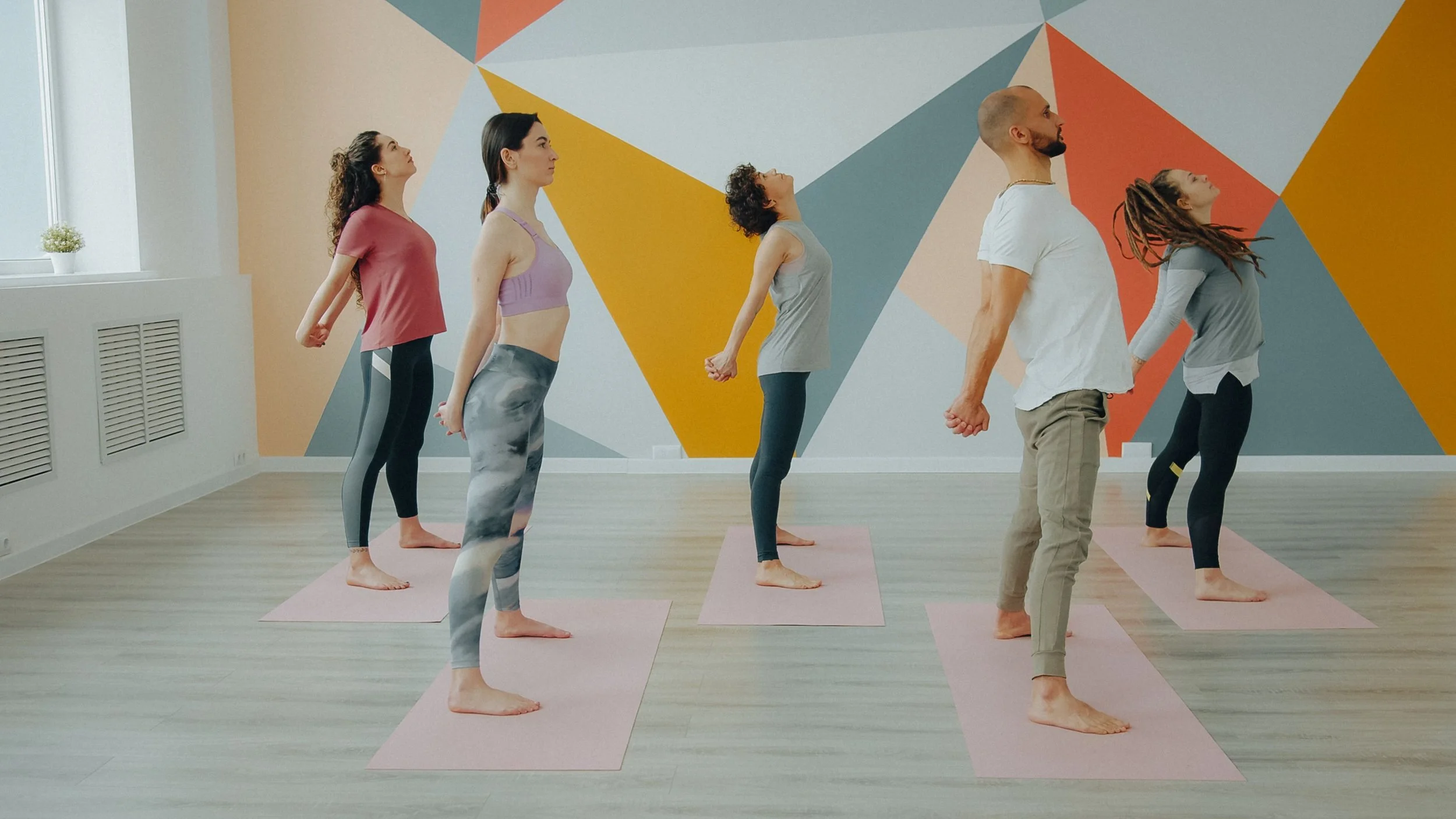
Somatic Tools for Calming Your Nervous System
Anxiety is a physical event as much as a mental one, and learning to work with your body can make it more manageable, especially alongside good clinical support.
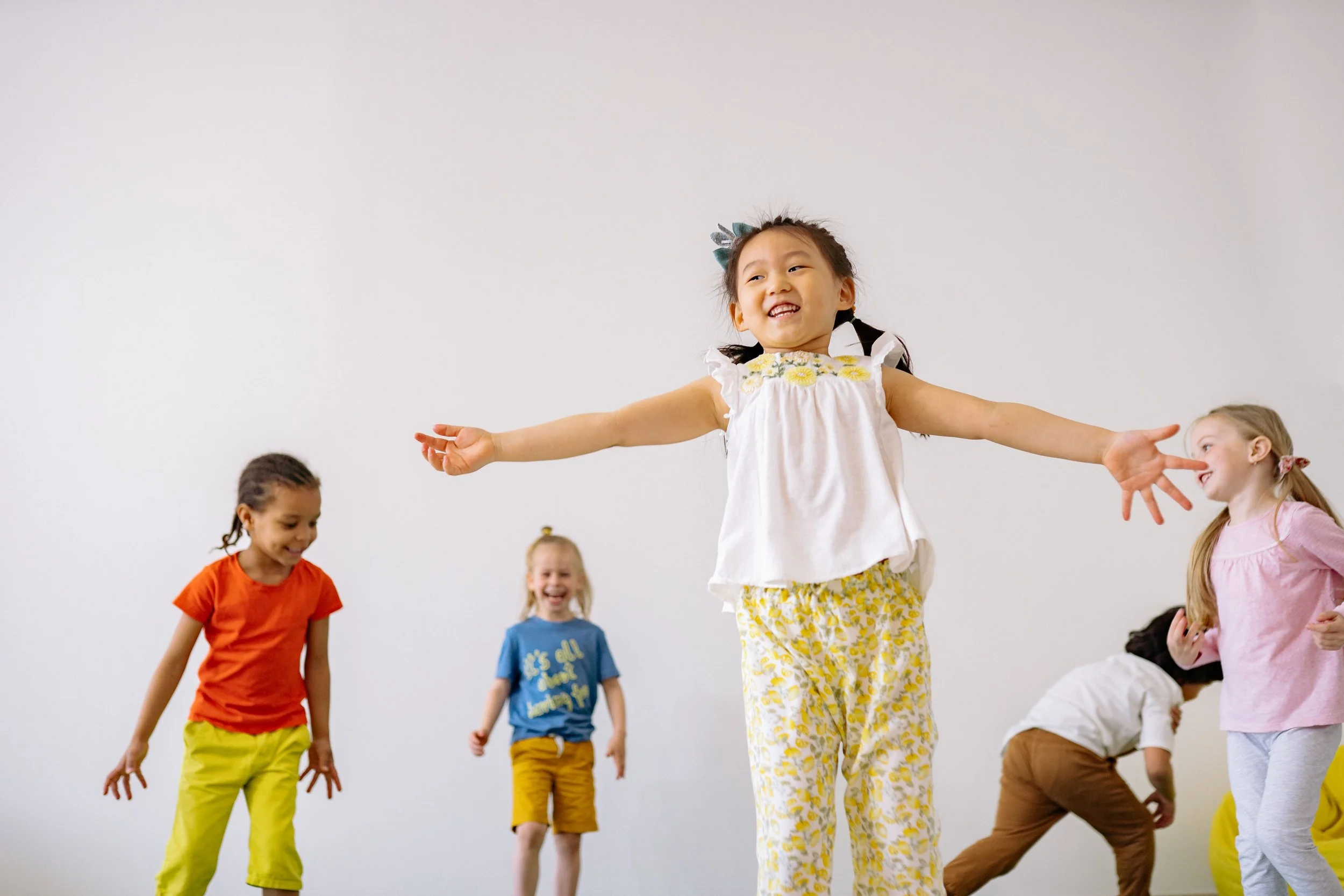
Family Patterns in Motion: Understanding Relational Dynamics Somatically
Long before families talk things out, they move together in patterns of closeness, tempo, and touch, and those patterns often outlast the words we use to explain them.
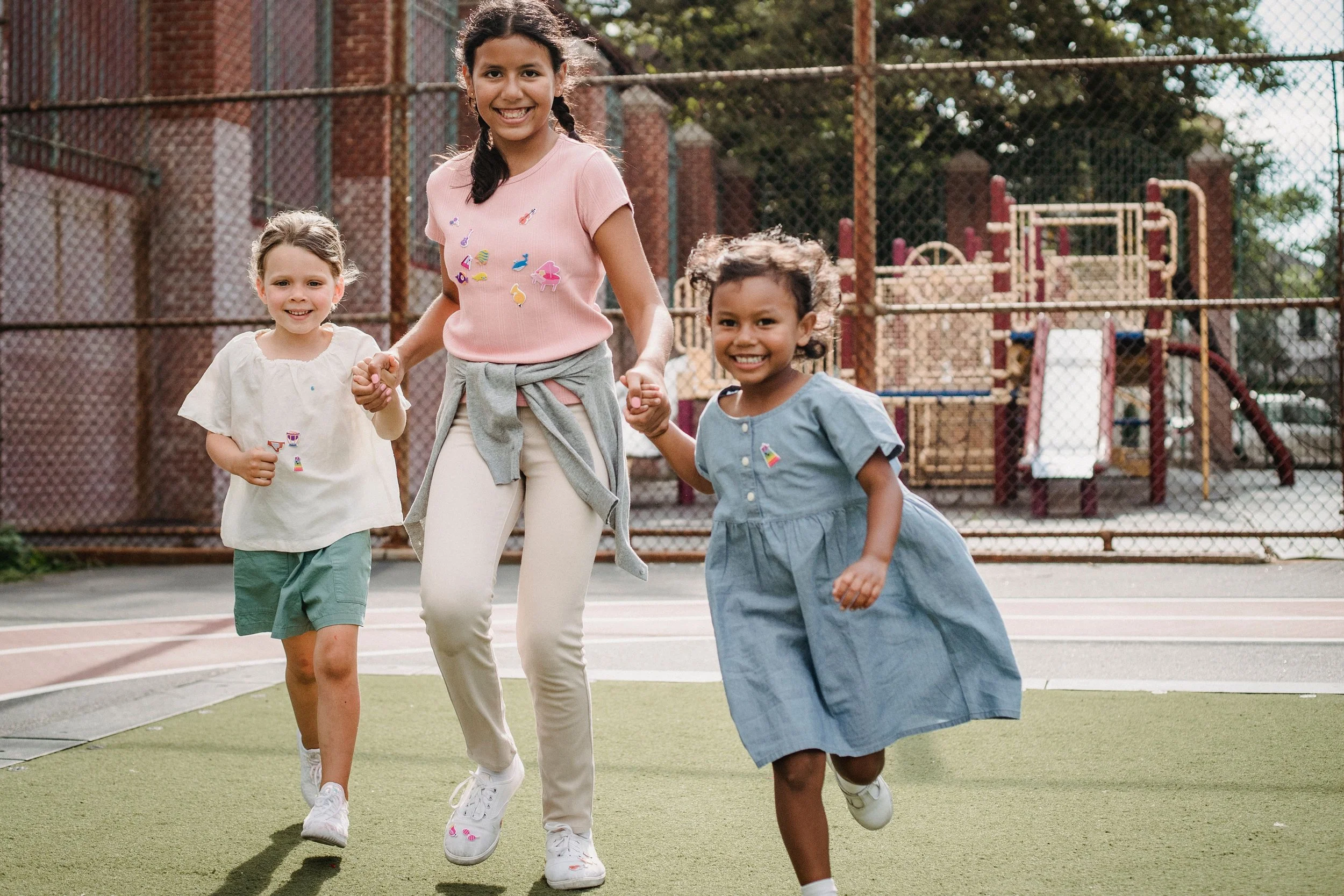
Supporting Development Through Play: A Neurodiversity-Affirming Approach
How a neurodiversity-affirming, play-based approach uses dance/movement therapy to support a child's development while celebrating their unique way of being.
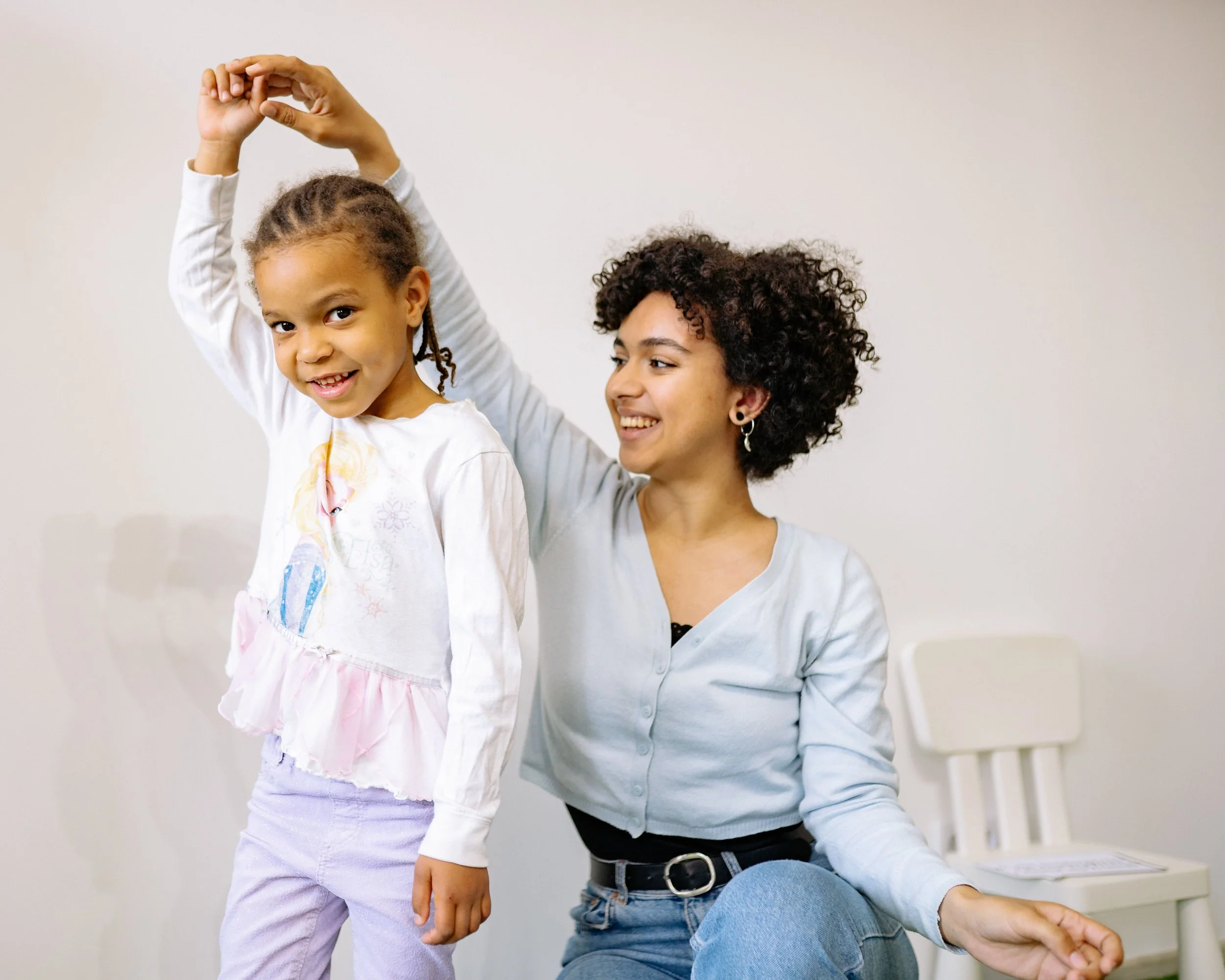
Dance/Movement Therapy in Pediatric Oncology
A warm look at how dance/movement therapy supports children in cancer treatment, helping them express feelings, regain a sense of control, and rediscover moments of joy.
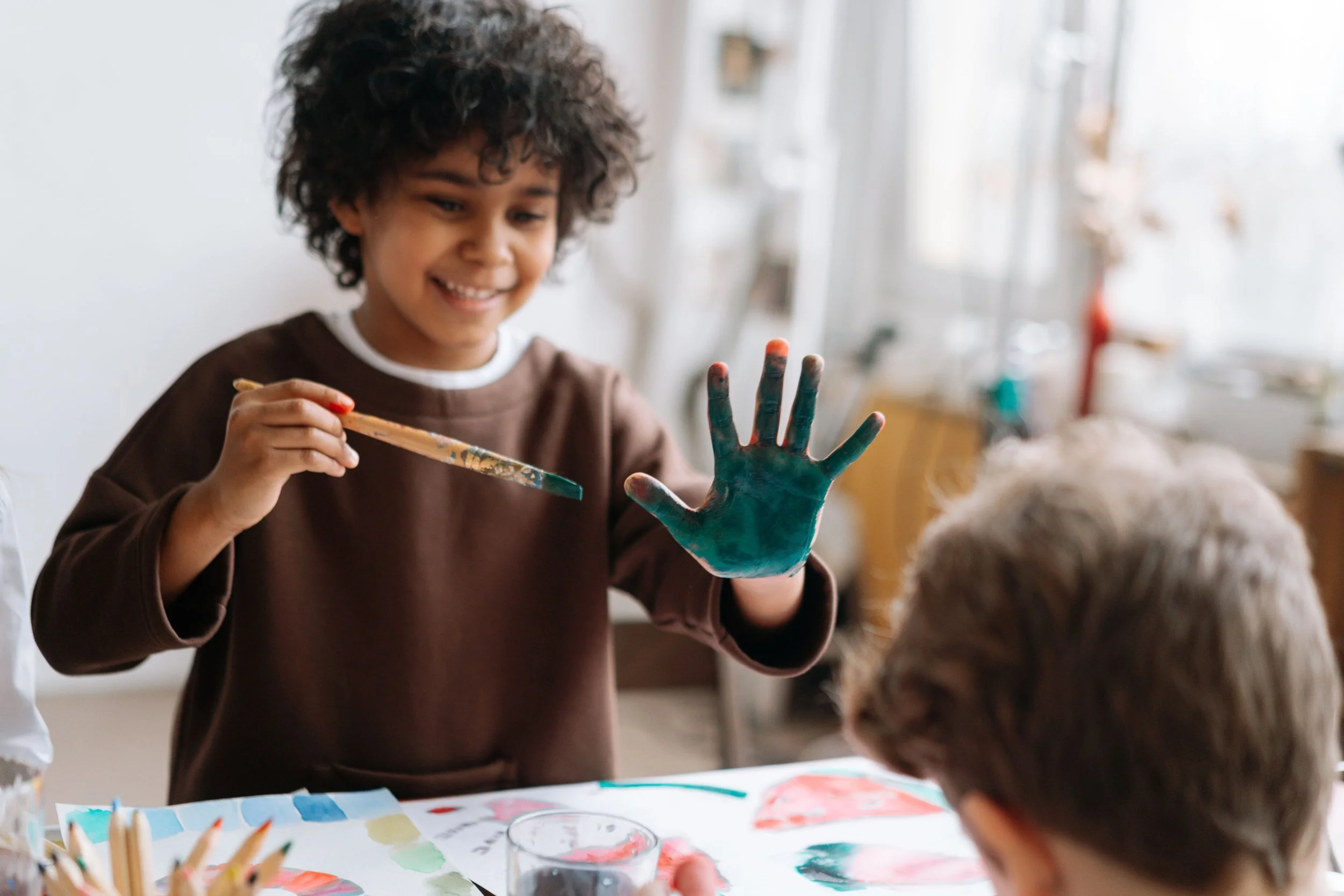
Understanding Art as Communication When Children Paint Their Feelings
A warm guide to understanding children's art as a form of communication, and how creative expression gives young feelings a voice.
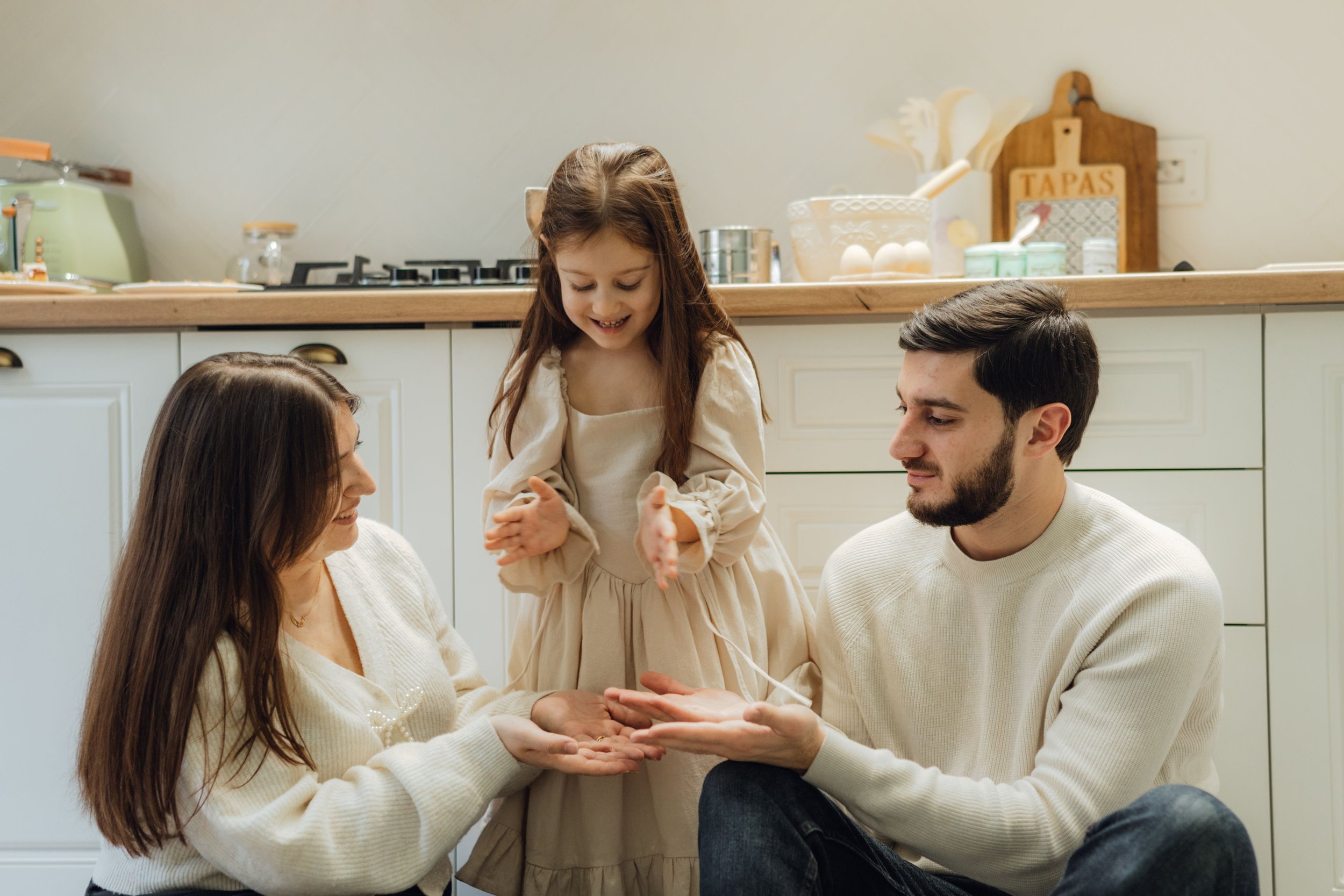
Building Confidence in Children Through Creative Expression
How creative expression and dance/movement therapy help children grow a steady, body-rooted confidence that comes from within, not from praise alone.

EMDR and Dance/Movement Therapy
A warm look at how Dancing Dialogue brings EMDR and dance/movement therapy together so healing can include the whole person, body and mind alike.
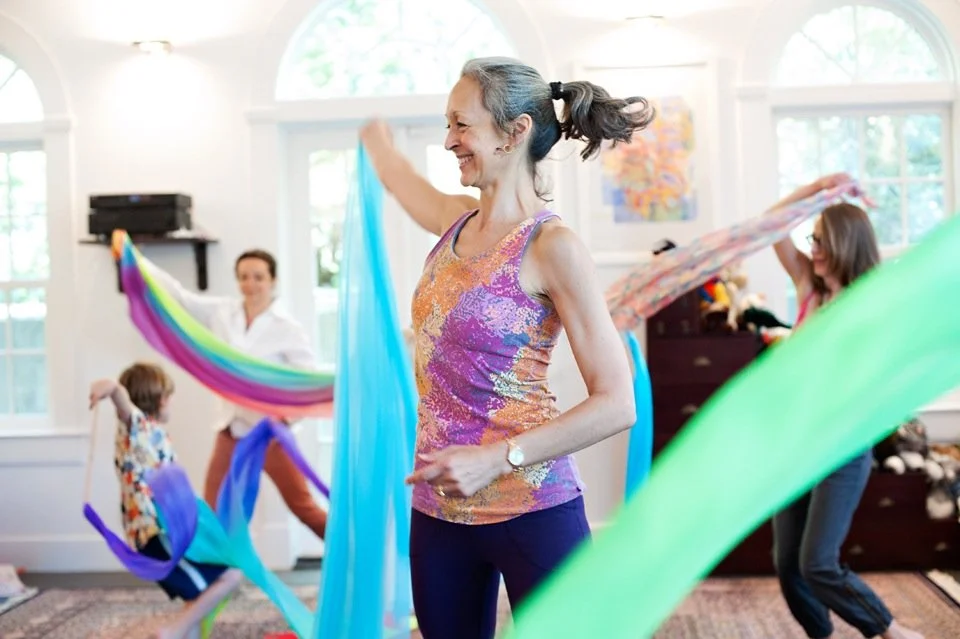
Supporting Your Child's Development Through Dance-Play
Explore how dance-play nurtures children's emotional, social, and cognitive growth, with simple practices families can weave into daily life.
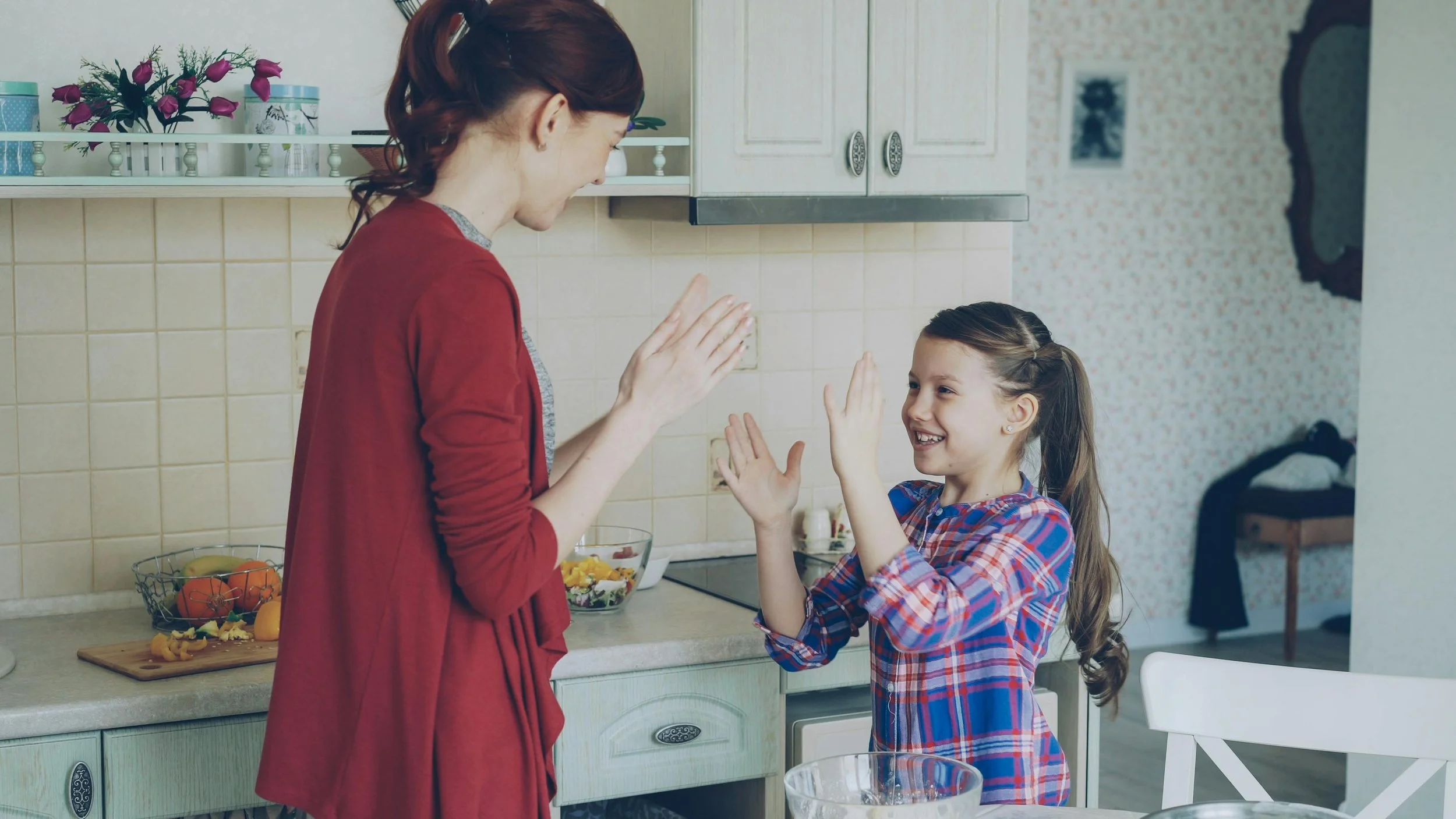
Supporting Children on the Autistic Spectrum Through Movement
Dance therapy offers autistic children a way to express themselves, build connection, and develop regulation through the body's own language, without requiring them to be anyone other than who they are.
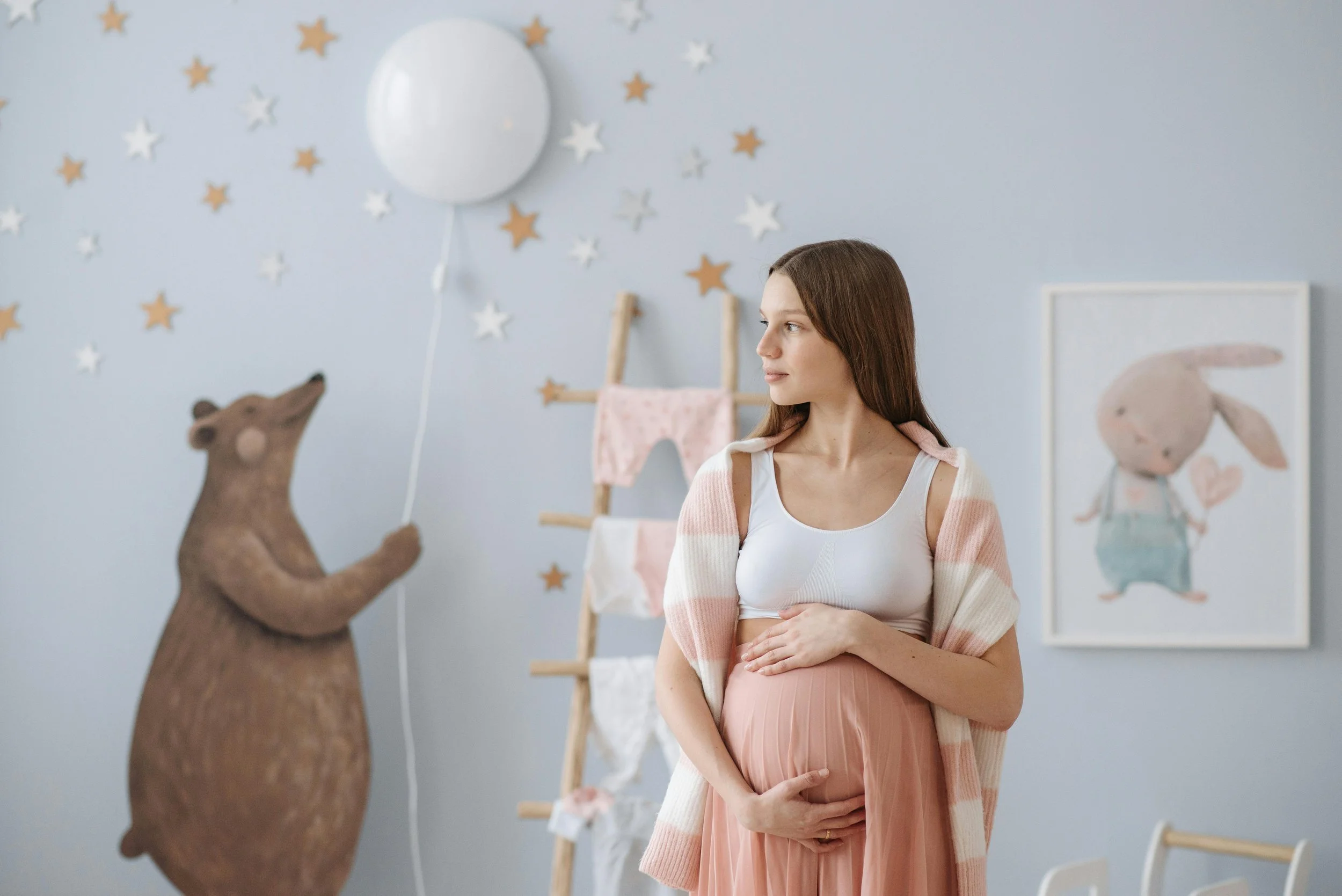
Having a Baby After a Miscarriage
Pregnancy after miscarriage is a tender, layered experience that asks a mother to hold grief and hope at the same time, and the body-mind connection can be a gentle guide through that journey.
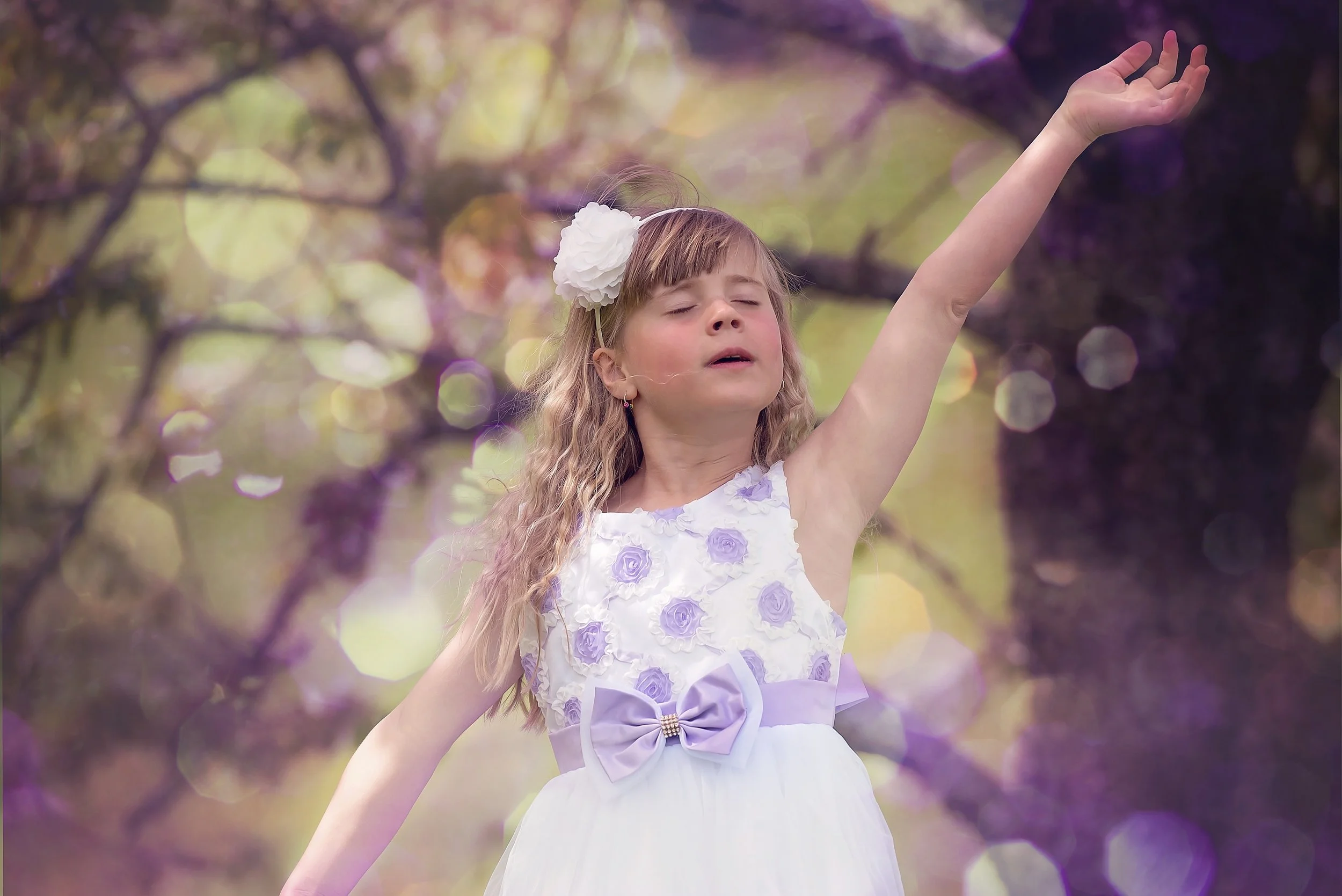
Helping Children Navigate Big Emotions Through Movement
Movement gives children a natural, embodied way to process and express big emotions, offering a path to regulation and connection that words alone often cannot provide.
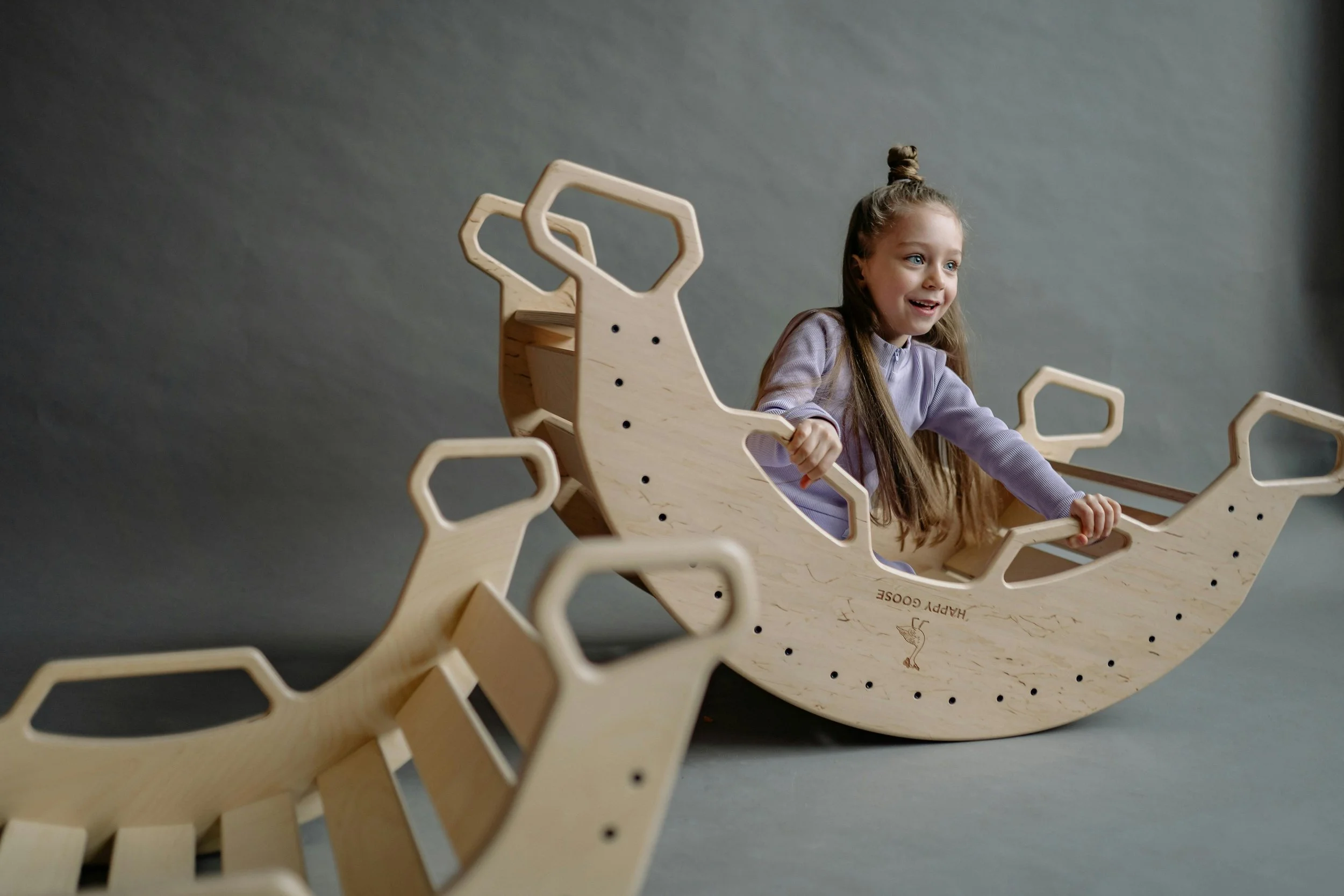
Understanding Self-Regulation Through Movement
Stimming is a natural form of self-regulation that reveals the body's innate intelligence, and understanding its purpose can transform the way we support neurodivergent individuals.
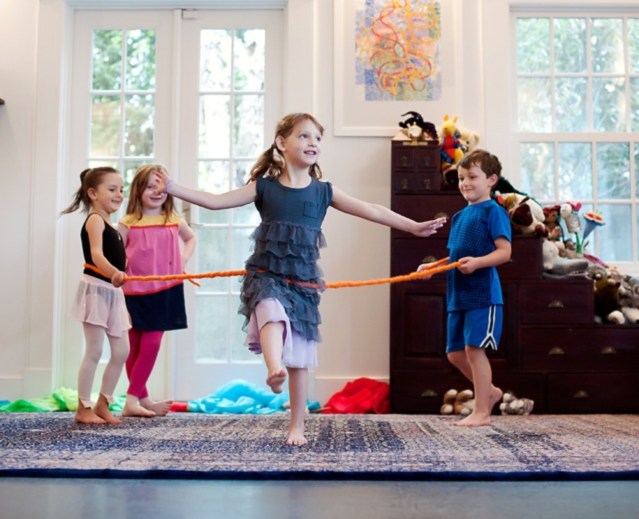
What Dance/Movement Therapy Really Is
Explore what dance/movement therapy truly involves, how it differs from exercise or recreational dance, and why this body-based psychotherapy offers unique pathways to healing and growth.