What Dance/Movement Therapy Really Is
People often think they know what dance therapy is. "I do that in my living room every night!" they say. While dancing for joy and release absolutely has therapeutic benefits, dance/movement therapy is something quite different. At Dancing Dialogue, our team consists of licensed therapists specifically trained in this psychotherapeutic modality that uses movement as a primary avenue for healing, growth, and change.
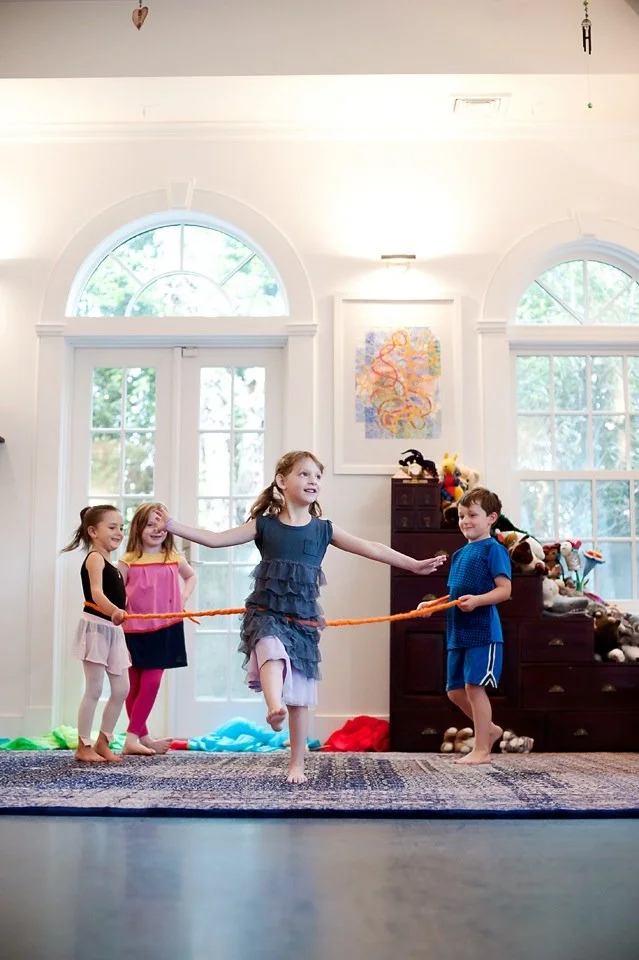
What Dance/Movement Therapy Actually Is
The American Dance Therapy Association defines dance/movement therapy as "the psychotherapeutic use of movement as a process which furthers the emotional, cognitive, physical, and social integration of the individual." This definition contains several critical elements that distinguish dance/movement therapy from other movement-based activities.
It's a Form of Psychotherapy
Dance/movement therapy is a regulated mental health treatment provided by trained and often licensed professionals, not simply movement instruction or recreational activity.
Movement Is the Primary Tool
Rather than using movement as an adjunct to talk therapy, dance/movement therapy centers the body and movement as the main avenue for therapeutic work and healing.
It Addresses the Whole Person
Dance/movement therapy works along the body-mind-emotion continuum, recognizing that these aspects of experience are inseparable rather than treating them as distinct domains.
The Relationship Is Central
Like all psychotherapy, dance/movement therapy occurs within a therapeutic relationship, with the therapist's attuned presence and co-regulation providing essential support.
Goals Are Therapeutic, Not Performative
The aim is psychological healing, emotional expression, and personal growth, never performance, aesthetic beauty, or mastery of dance technique.
Our team at Dancing Dialogue includes licensed creative arts therapists who completed rigorous graduate training in dance/movement therapy, combining in-depth study of psychotherapy theory and practice with specialized training in using movement therapeutically.
How Dance/Movement Therapy Works
Dance/movement therapy operates on the fundamental understanding that the body and mind are inseparable. Movement reflects inner emotional states, and conversely, changing how we move can shift how we feel and think. This bidirectional relationship creates unique therapeutic possibilities.
When people engage in dance/movement therapy, they're not learning choreography or perfecting technique. Instead, they're exploring their authentic movement, discovering how their bodies hold tension, express emotion, and communicate what words cannot. The dance/movement therapist creates a safe container for this exploration, witnessing and often moving with clients in ways that support their process.
Dr. Suzi Tortora's work demonstrates how dance/movement therapy accesses material that traditional talk therapy often cannot reach. Because so much of our experience is preverbal, stored in implicit memory, or simply beyond language, working directly with the body provides access to healing at levels that talking alone may never touch.
The creative and aesthetic aspects of movement provide additional therapeutic power. When people express their inner experience through movement, they transform passive suffering into active expression. This shift from helplessness to agency makes profound differences in healing from trauma, managing chronic stress, and working through difficult emotions.
What Distinguishes Dance/Movement Therapy From Other Approaches
Many activities use movement and offer benefits, but they're not dance/movement therapy. Understanding these distinctions helps clarify what makes this approach unique.
Dance/movement therapy differs from exercise programs, which focus on physical fitness, strength, cardiovascular health, or weight management without addressing psychological and emotional dimensions. It differs from yoga, meditation, or mindfulness practices, which may incorporate body awareness and regulation but aren't psychotherapeutic relationships designed to address mental health concerns. It differs from dance classes, which teach technique, choreography, or performance skills rather than using movement for psychological exploration and healing.
It differs from physical therapy, which treats physical injuries and functional limitations without the psychological focus central to psychotherapy. And it differs from other somatic therapies that may work with the body but don't center movement and dance as primary modalities.
The core difference lies in how dance/movement therapy combines psychotherapeutic knowledge and training with specialized expertise in reading and using movement. Dance/movement therapists are trained to observe subtle qualities of movement, understand what these qualities reveal about inner experience, and create movement-based interventions that address psychological needs.
Our team members hold master's or doctoral degrees in dance/movement therapy or related fields, maintain professional credentials and licenses, and bring years of specialized training in working with diverse populations and presenting concerns.
The Types of Experiences Dance/Movement Therapy Offers
Dance/movement therapy sessions look different depending on who's participating, what they're working on, and where treatment occurs. However, certain elements commonly appear across different settings and populations.
1. Movement Assessment and Observation
Sessions often begin with the therapist observing how clients move naturally, noting qualities of tension, rhythm, spatial use, and expressive range that inform treatment.
2. Authentic Movement Exploration
Clients explore their own movement impulses rather than following prescribed exercises, discovering their unique ways of using their bodies expressively.
3. Structured Movement Activities
Therapists introduce specific movement experiences designed to address therapeutic goals, whether building regulation skills, exploring emotions, or strengthening connection.
4. Creative Expression Through Movement
Clients use movement to give form to feelings, experiences, or internal states that have no words, transforming abstract emotional content into concrete physical expression.
5. Rhythm and Music Work
Sound and rhythm provide organizing structures that support regulation, enhance emotional expression, and create accessible entry points for movement exploration.
6. Body Awareness Development
Clients learn to notice sensations, tension patterns, and movement habits, developing greater consciousness of how their bodies hold experience and express emotion.
7. Relational Movement Experiences
In dyadic or group work, movement becomes a medium for exploring relationship dynamics, practicing attunement, and experiencing connection in new ways.
8. Integration Through Reflection
Sessions typically include opportunities to talk about movement experiences, creating connections between body-based discoveries and cognitive understanding.
These elements combine differently depending on individual needs, but all center on the premise that meaningful psychological work happens through embodied experience.
Who Benefits From Dance/Movement Therapy
Dance/movement therapy serves people across the entire lifespan, from infancy through older adulthood, and addresses virtually any mental health concern or life challenge. Our team at Dancing Dialogue specializes in several specific populations and presenting issues.
We work extensively with infants and young children, using movement-based approaches to address developmental concerns, trauma, attachment difficulties, and emotional regulation challenges. Our work with children and adolescents helps them navigate anxiety, depression, behavioral issues, social challenges, and life transitions through developmentally appropriate movement experiences.
We support adults dealing with trauma, stress, chronic pain, grief, depression, anxiety, relationship difficulties, and life transitions. Our couples and family work uses movement to enhance communication, deepen connection, and work through conflicts that words alone cannot resolve.
We bring particular expertise to working with preverbal trauma, medical trauma, attachment issues across the lifespan, sensory processing differences, chronic illness, and populations for whom traditional talk therapy has limited effectiveness or accessibility.
Dr. Tortora's extensive work demonstrates how dance/movement therapy uniquely serves people whose experiences exist below the level of language or whose primary mode of processing is physical rather than verbal. This includes very young children, individuals with developmental differences, trauma survivors, and anyone whose body holds experiences that words cannot adequately express.
Discovering What Dance/Movement Therapy Offers You
If you've been curious about dance/movement therapy, or if you've struggled to find healing through traditional talk therapy alone, we invite you to explore what this approach might offer. Our team brings expertise, compassion, and deep respect for the body's role in psychological healing.
Dance/movement therapy provides unique access to healing for anyone whose experiences live primarily in their body, whose words feel inadequate to express what they're going through, or who simply feels drawn to working with movement. It offers children developmentally appropriate ways to process experience, provides trauma survivors with paths to healing that don't require retelling traumatic narratives, and gives everyone opportunities to discover new ways of being in their bodies and their lives.
We welcome your questions, invite your curiosity, and look forward to supporting your journey toward healing, growth, and embodied wholeness. Connect with our team to learn more about whether dance/movement therapy might be right for you or someone you love.