Supporting Children on the Autistic Spectrum Through Movement
Every child has their own way of moving through the world. Some children enter a room like a quiet breeze, observing from the edges before settling in. Others arrive like a gust of wind, full of energy and sound and motion. For children with autism, the way they experience and interact with their surroundings is shaped by a beautifully unique sensory and neurological landscape, one that deserves to be understood, respected, and supported on its own terms.
At Dancing Dialogue, our approach to working with autistic children begins not with goals for how we want them to change, but with genuine curiosity about who they already are. Through dance therapy, creative movement, and the body-mind connection, our clinicians meet each child in the way they naturally communicate, through the language of the body, and build from there.
Seeing the Whole Child
Too often, the conversation around autism focuses narrowly on behaviors, deficits, or the ways a child differs from neurotypical expectations. This framing misses so much. It misses the intensity of focus that an autistic child brings to the things that captivate them. It misses the rich sensory world they inhabit. It misses the creativity, humor, and depth of feeling that live just beneath what others can see.
At Dancing Dialogue, we practice neurodiversity-affirming care, which means we see neurological differences not as problems to be fixed but as natural variations in how human beings experience the world. This perspective shapes everything about the way we work with autistic children and their families.
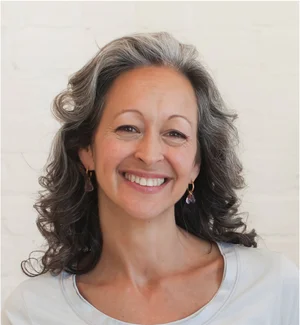
Dr. Suzi Tortora, founder of Dancing Dialogue and a board-certified dance/movement therapist with extensive expertise in nonverbal communication and infant and early childhood mental health, has long held that understanding a child's movement patterns reveals profound truths about their inner experience. When we pay attention to how a child moves, breathes, and uses space, we gain access to a world of meaning that behavioral observation alone cannot capture.
Why the Body-Mind Connection Matters for Autistic Children
Many therapeutic models for autism begin with the mind: cognitive strategies, verbal instructions, social scripts. While these tools can be valuable, they often ask autistic children to start from a place that may not be their strongest mode of processing.
The body-mind connection, which is at the heart of our work at Dancing Dialogue, flips this approach. Instead of asking the child to think their way into new behaviors, we start with the body and let understanding emerge from there.
This matters because so much of an autistic child's experience is sensory and somatic. The feeling of a tag against skin, the hum of fluorescent lights, the weight of gravity in a spinning body: these are not background details. They are the foreground, the primary data through which the world is experienced. When therapy begins with the body, it speaks to autistic children in a language they often know intimately, meeting them where they are. Our blog on the science behind how movement heals explores the neuroscience that supports this body-first approach.
How Dance Therapy Works with Autistic Children
Dance therapy with autistic children looks nothing like a dance class. There is no mirror to face, no steps to memorize, no expectation to perform. Instead, the session is a creative, responsive, deeply attuned space where the child's own movements become the starting point for everything that follows.
Here is what this might look like in practice:
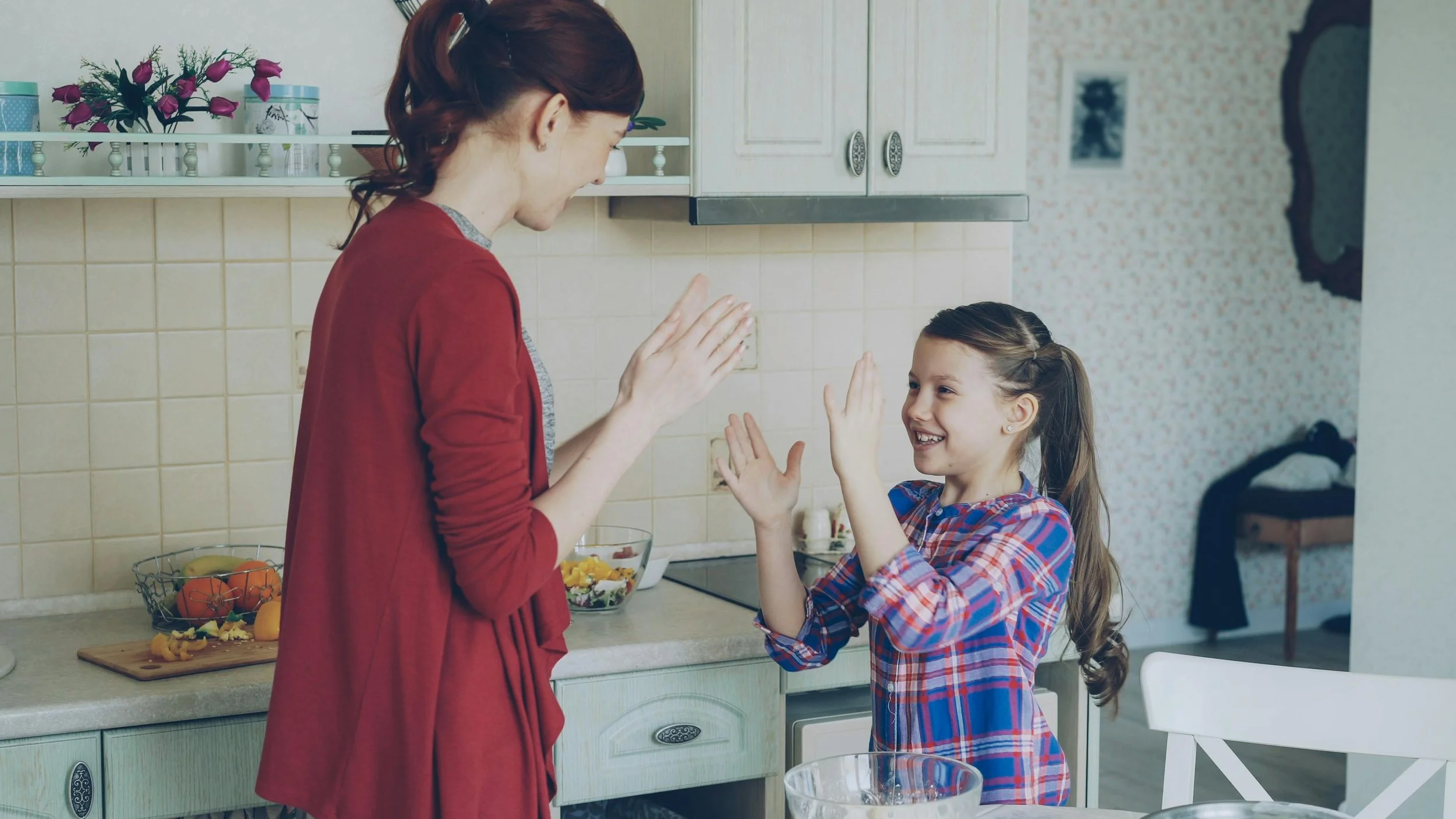
Following the child's lead: If a child enters the room spinning, the therapist does not redirect. Instead, the therapist might spin alongside them, matching their speed and rhythm, communicating through shared movement that the child's way of being is welcomed and valued.
Building shared rhythms: Through mirroring and rhythmic play, the therapist and child create a nonverbal "conversation." This back-and-forth exchange builds trust, develops social reciprocity, and strengthens the child's capacity for connection, all without requiring verbal language.
Using sensory-rich materials: Scarves, drums, stretchy fabric, bubbles, and textured objects become tools for exploration and self-expression. These materials invite the child into embodied play that supports sensory integration and creative discovery.
Supporting transitions: Many autistic children find transitions challenging. Movement-based rituals, such as a hello song with specific gestures or a closing sequence, provide a predictable structure that helps the child feel safe within the session.
Honoring communication style: Whether a child communicates through words, sounds, gestures, or movement, our clinicians treat every form of expression as valid and meaningful. The goal is not to make the child communicate differently but to create a space where their natural communication is received and responded to.
Several of our clinicians bring particular warmth and skill to working with children and families, including children with autism spectrum disorder. Dr. Suzi Tortora has spent decades developing approaches that meet children with ASD through movement, play, and the language of the body. Dr. Renee Ortega draws on her training as both a psychologist and creative arts therapist to support neurodiverse children and their families with a deeply attuned, integrative lens. And Jenn Whitley (BC-DMT, LCAT, CMA) works closely with children and families as well, bringing a thoughtful, embodied presence to her sessions.
What ties their work together is a shared way of seeing. Each clinician notices the subtle qualities of a child's movement, the tempo, the intensity, the spatial preferences, the moments of reach and rest. From there, they shape sessions that feel both safe and alive with possibility, where a child can be met exactly as they are.
The Gifts of a Neurodiversity-Affirming Approach
When we approach autistic children from a place of affirmation rather than correction, something shifts. The child begins to feel that who they are is enough. That their body's way of being in the world is not wrong. That their interests, their movements, and their sensory needs are not obstacles but the very doorways through which connection and growth can happen.
This shift has ripple effects beyond the therapy room. Children who feel accepted in their bodies develop stronger self-advocacy skills and are more willing to try new things. Families who adopt an affirming approach often find that tension and power struggles ease, replaced by more curiosity and compassion.
Principles That Guide Our Work with Autistic Children
Our approach to supporting autistic children through movement is rooted in a set of core principles that shape every session and every clinical relationship:
1. Start with Strengths
Every child has areas of natural ability, deep interest, and genuine skill. We identify these strengths and build the therapeutic relationship around them. If a child loves rhythm, we begin with drumming. If they are drawn to water imagery, we play with flowing, wave-like movements. The child's passions are our entry point.
2. Respect Sensory Needs
We understand that sensory experience is not peripheral for autistic children. It is central. Our clinicians carefully observe and respond to each child's sensory profile, adjusting the environment, the materials, and the pace of the session to support comfort and engagement. Our approach to individual therapy is always tailored to the specific sensory landscape of the person we are working with.
3. Value All Forms of Communication
Not all autistic children communicate through spoken language, and that is okay. Movement, gesture, eye gaze, vocalization, and even silence are all forms of communication that we attend to with the same care and curiosity. The language of the body is a full, expressive vocabulary, and our clinicians are trained to listen to it.
4. Support the Family System
Working with autistic children means working with their families. We help parents and caregivers understand their child's movement patterns and sensory needs, building bridges of understanding that strengthen the whole family. When parents learn to read how their child's body speaks, the relationship deepens in ways that benefit everyone.
5. Create Safety Through Predictability and Choice
Autistic children often thrive with structure and predictability, but they also need room to make choices and feel a sense of autonomy. Our sessions balance these needs, offering familiar routines alongside open-ended creative exploration. This balance helps children feel safe enough to take risks and try new things.
6. Celebrate the Child's Unique Movement Signature
Just as every person has a unique handwriting, every person has a unique way of moving. We call this a "movement signature," and for autistic children, this signature is often especially distinctive and expressive. Rather than trying to normalize a child's movement, we celebrate it. Their way of moving is part of who they are, and it is beautiful.
These principles are not just clinical strategies. They reflect a deeper belief that autistic children have something valuable to offer the world, and that our role is to create conditions where that offering can flourish.
When to Consider Dance/Movement Therapy
If you are wondering whether dance therapy might be a good fit for your autistic child, here are some signs that this approach could be especially supportive. Your child might benefit from dance therapy if they respond strongly to music or rhythm, if they have a hard time with emotional regulation, if verbal therapy has felt limited or frustrating, if they seek out physical movement as a way to cope or express themselves, or if you are looking for a therapeutic approach that affirms rather than tries to change who they are.
Our team at Dancing Dialogue includes clinicians with specialized training across a range of areas, including Dr. Suzi Tortora (EdD, LCAT, LMHC, BC-DMT, CMA), Dr. Renee Ortega (PhD, BC-DMT, LCAT, COTA/L), and Jenn Whitley (BC-DMT, LCAT, CMA), each bringing unique expertise to the work with children, families, and neurodiverse clients. Whether your child is newly exploring their neurological identity or has been on this path for years, our clinicians are here to support them and your whole family.
Meeting Your Child Where They Are
The most powerful thing we can do for any child, and especially for an autistic child, is to meet them exactly where they are. Not where we think they should be. Not where a chart says they should be. But right here, in this body, in this moment, with all the beauty and complexity that entails.
Dance/movement therapy offers a way to do that. Through movement, rhythm, play, and the body-mind connection, autistic children can discover new ways to express themselves, connect with others, and move through the world with a growing sense of confidence and peace.
If you are curious about how our neurodiversity-affirming approach might support your child, we warmly invite you to reach out. Every child's movement tells a story. We would love to listen to your child's.