
GROUP THERAPY
Heal, Grow, & Connect
In Community
We create spaces where people
come together to heal, learn, and grow.
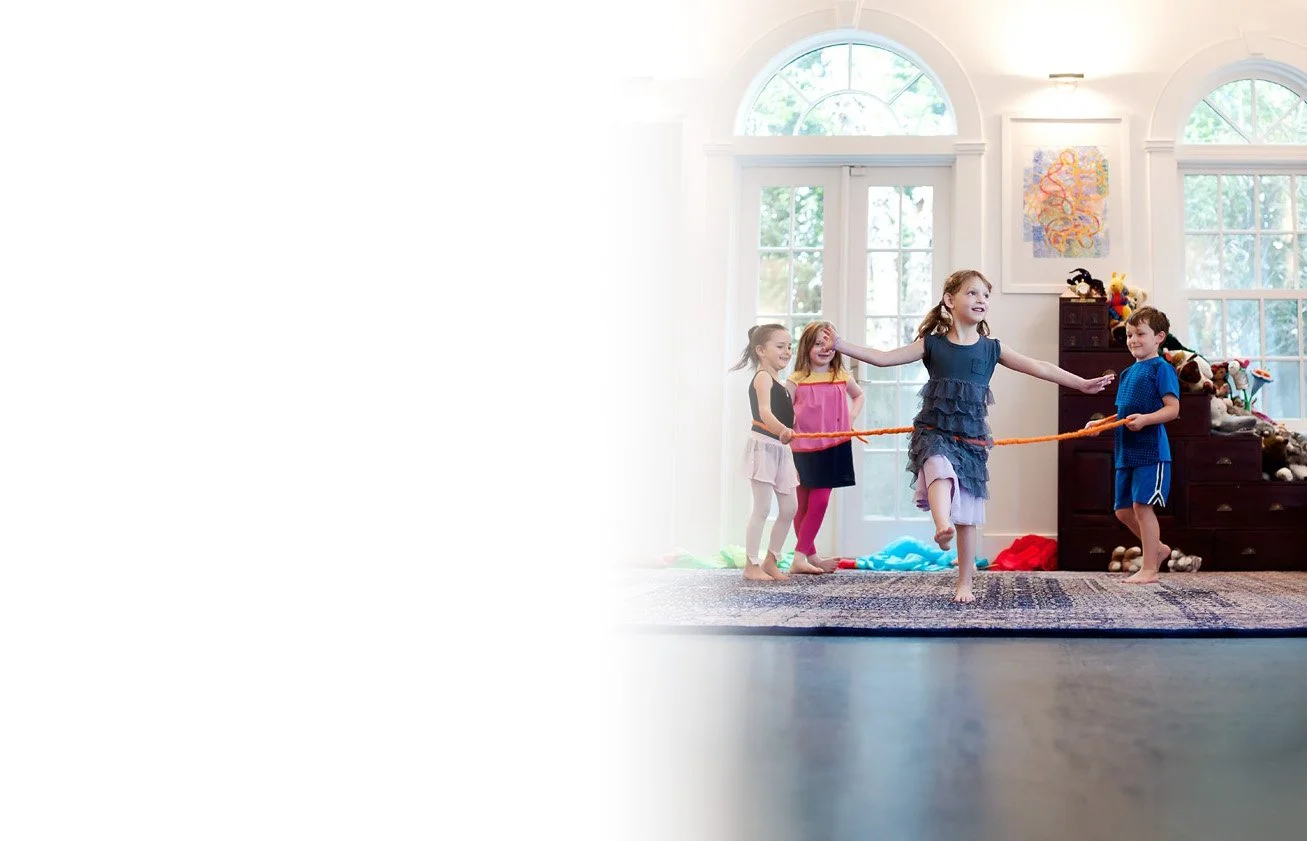
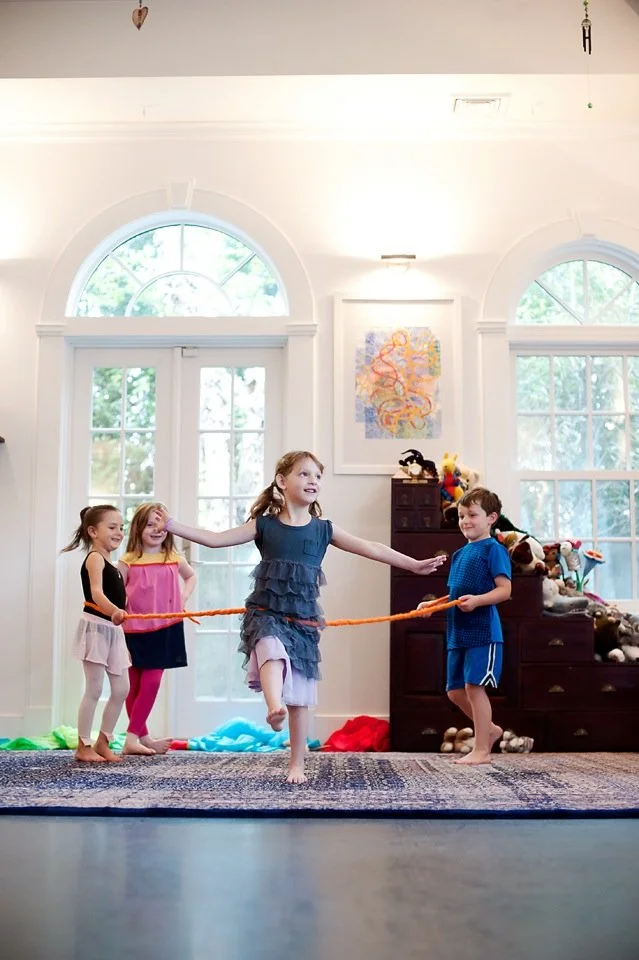
Group therapy brings together a small number of people facing similar challenges or working toward similar goals, facilitated by one or more trained therapists.
At Dancing Dialogue, our groups integrate traditional group therapy principles with creative arts, movement, and body-based approaches, creating experiences that engage participants fully and foster deep connection.
There's something profoundly healing about discovering you're not alone.
When you share your story and hear others' stories, when you witness another person's struggle and growth, when you practice new ways of relating in the safe container of a therapeutic group, transformation happens in ways that surprise and sustain you.
Our groups are not just about talking, though verbal sharing is certainly part of the experience. We incorporate movement, creative activities, experiential exercises, and mindfulness practices that help group members connect with themselves and each other on multiple levels. This multi-modal approach makes our groups accessible to people of different ages, learning styles, and comfort levels with verbal expression.
Dancing Dialogue's Approach to Group Therapy
Creating Sacred Community for Healing
At Dancing Dialogue, we design and facilitate groups with deep intentionality, drawing on our expertise in group dynamics, attachment theory, creative arts therapy, and developmental psychology.
Each group is carefully structured to ensure safety, foster genuine connection, and support meaningful growth for every participant.
Our Current Group Offerings
LEGO-Based Therapy Group (Ages 5-7 and 8-12)
This structured 12-week group uses LEGO-based therapy to support children developing social and emotional skills. Through collaborative building activities facilitated by dance/movement therapy, children learn:
✔ Social interaction and friendship skills
✔ Communication and collaborative problem-solving
✔ Flexible thinking and perspective-taking
✔ Emotional awareness and regulation
✔ Confidence in social situations
This group is ideal for children who have difficulty with social interactions, struggle with communication or maintaining conversations, find it challenging to understand social cues or others' perspectives, benefit from structured activities, experience social anxiety, are on the autism spectrum or have developmental differences, or want to build confidence navigating social situations.
Meaning-Centered Grief Therapy (MCGT) Group
Grief is layered and complex, and finding a supportive space to openly explore your loss can be deeply restorative. Meaning-Centered Grief Therapy offers a pathway for individuals to reestablish a sense of meaning after loss. This compassionate, non-judgmental group provides space where participants can feel seen, heard, and understood through creative and embodied discussions and creative exploration, including movement, poetry, writing, and art.
MCGT is designed to help participants make sense of their loss, discover growth and benefits within their grief journey, reconnect with a sense of identity and purpose, explore all sources of meaning (historical, attitudinal, experiential, and creative), and honor the legacy and meaning in the life of the person who died.
A one-on-one call with the group facilitator is required before starting to answer questions and ensure a good fit.
Join the waitlist for upcoming groups!
How Group Therapy Creates Transformation & Connection
Group therapy offers unique benefits that complement and sometimes exceed what's possible in individual therapy. The power of community and shared experience creates healing on multiple levels.
✔ Cost-Effective Access to Expert Care
Group therapy is typically more affordable than individual therapy while still providing access to expertly facilitated therapeutic support. This makes quality mental health care more accessible to more people.
✔ Multiple Perspectives & Insights
Group members offer each other perspectives, reflections, and insights that the therapist alone cannot provide. You learn from others' experiences, see your own situation through new eyes, and benefit from the collective wisdom of the group.
✔ Development of Social & Emotional Skills
Particularly in groups for children and adolescents, members develop concrete social and emotional skills through structured activities and natural interactions. These skills transfer directly to relationships outside the group.
✔ Safe Space to Practice New Ways of Relating
The group provides opportunities for trying out new communication styles, boundary-setting, vulnerability, and relational skills. You can practice in the safety of the therapeutic container and receive immediate feedback about how your words and actions land with others.
✔ Reduction of Isolation & Shame
Simply knowing you're not alone in your struggles can be profoundly healing. In a group, you discover that others face similar challenges, carry similar pain, and ask similar questions. The shame that thrives in isolation begins to dissolve in the light of shared experience.
✔ Witnessing & Being Witnessed
There's healing power in witnessing another person's journey and in being witnessed yourself. When group members see each other's pain, celebrate each other's growth, and hold space for each other's struggles, everyone benefits.
Frequently Asked Questions About Group Therapy
-
While both offer connection and support around shared experiences, group therapy is led by licensed mental health professionals and has specific therapeutic goals and structure. Our groups integrate evidence-based therapeutic approaches with creative and embodied modalities, providing clinical treatment in a group format. Support groups are typically peer-led and focus primarily on mutual support rather than clinical intervention.
-
You're always in control of what you share in a group. While we encourage openness and vulnerability as you feel ready, you're never required to share more than feels comfortable. Many group members find that as trust builds over time, they naturally feel more willing to be vulnerable. Our facilitators create clear guidelines about confidentiality and respectful sharing to help everyone feel safe.
-
It's completely normal to feel nervous about joining a group, especially if you're introverted or socially anxious. Our groups are carefully facilitated to ensure everyone feels included without feeling pressured. We incorporate creative and movement-based activities that provide alternative ways to participate beyond verbal sharing, which many people find less intimidating. Often, the people most nervous about groups are the ones who benefit most profoundly from the experience.
Ready To Heal In Community?
Our groups offer transformative experiences that combine therapeutic expertise with the irreplaceable power of shared experience.