Understanding Self-Regulation Through Movement
Have you ever tapped your foot during a long meeting, twirled your hair while reading, or rocked gently in a chair without thinking about it? These small, rhythmic actions are your body's way of finding balance. For neurodivergent individuals, repetitive movements often called "stimming" serve the same deeply human purpose, only with more intensity and more visible expression. And far from being something to suppress, stimming carries real wisdom about how the body seeks comfort, regulation, and peace.
At Dancing Dialogue, our team of clinicians has spent years working alongside neurodivergent children, teens, and adults, and what we have learned again and again is this: the body speaks first. When we listen to what it is saying through movement, we open a door to deeper understanding and more compassionate care.
What Stimming Actually Is
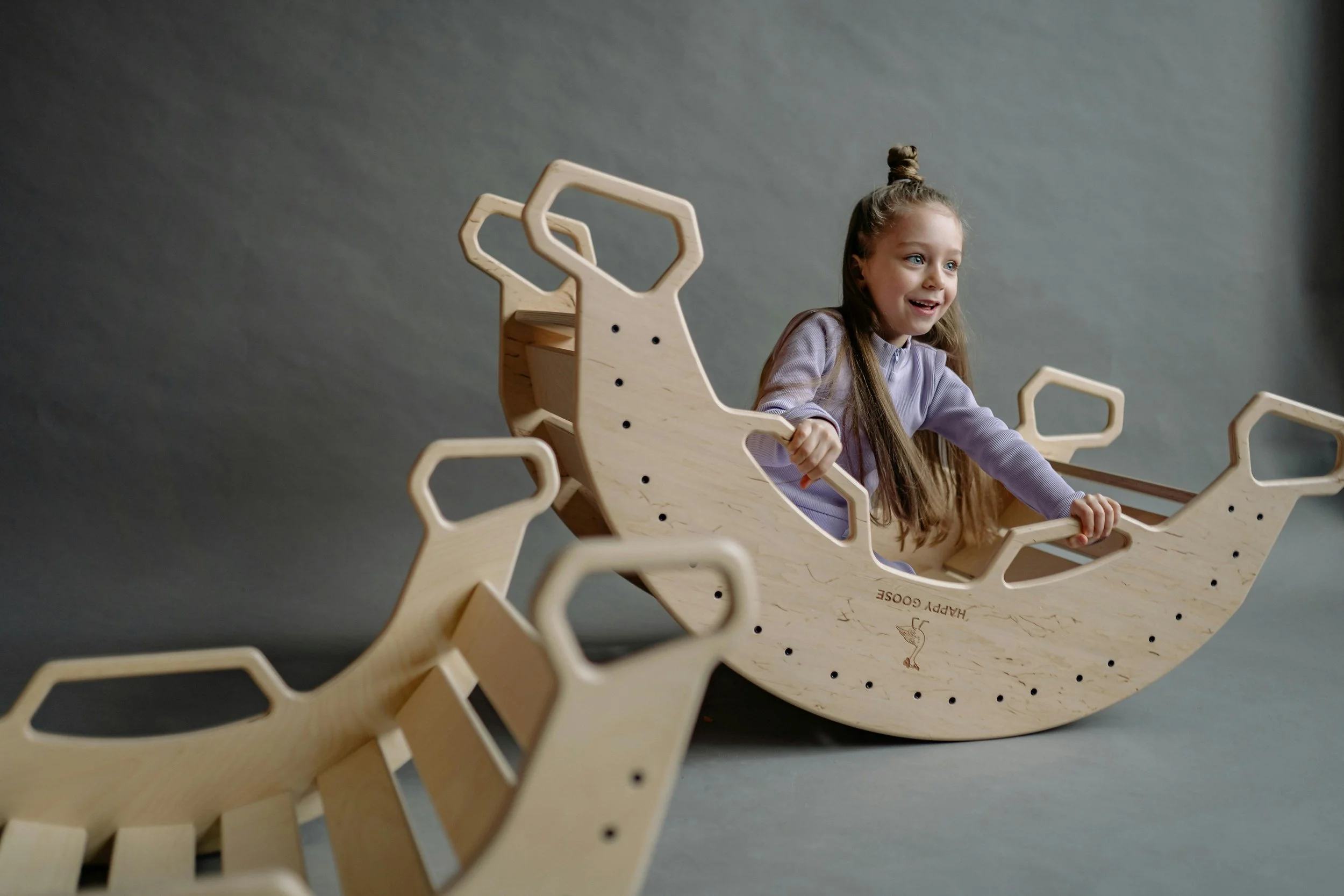
Stimming, short for self-stimulatory behavior, refers to the repetitive movements and actions that many people use to process sensory input and regulate their internal state. These can include hand flapping, spinning, rocking, humming, finger flicking, or repeating certain sounds or phrases.
While stimming is most closely associated with autism, it is also common in people with ADHD, sensory processing differences, anxiety, and other forms of neurodivergence. The truth is that all humans stim in some way. The difference is often in degree and social visibility, not in kind.
What matters most is understanding the purpose behind the movement. Stimming is not random or meaningless. It is the body's way of communicating a need, whether that need is for more sensory input, less overwhelm, emotional release, or simply a moment of comfort. At our practice, we approach these movements with curiosity rather than correction, recognizing them as part of the language of the body that each person develops from the earliest days of life. You can learn more about how we work with movement as expression in our post on what dance/movement therapy really is.
The Body-Mind Connection at Work
Many therapeutic approaches begin with the mind and try to work their way down into the body. At Dancing Dialogue, we believe in the body-mind connection, which means we start with what the body is already doing and follow its lead toward insight and healing.
This shift may sound subtle, but it changes everything. When we honor the body-mind connection, we stop asking "how do we make this behavior stop?" and start asking "what is this movement telling us about how this person experiences the world?"
Dr. Suzi Tortora, founder of Dancing Dialogue and a board-certified dance/movement therapist with decades of experience in infant and early childhood mental health, has long emphasized that the body holds knowledge that the mind has not yet put into words. For neurodivergent individuals, stimming is often the clearest expression of that embodied knowledge.
Why Stimming Matters for Self-Regulation
Self-regulation is the ability to manage your internal state so that you can engage with the world in a way that feels manageable. For many neurodivergent people, the sensory environment can feel like too much or not enough, and stimming provides a way to bridge that gap.
Understanding why stimming supports regulation can shift the way families, educators, and clinicians respond to it. Here are some of the key ways stimming serves the body and mind:
Sensory modulation
Repetitive movement helps filter and organize incoming sensory information, reducing the feeling of overwhelm that many neurodivergent people experience in busy or unpredictable environments.
Emotional grounding
When feelings become intense, rhythmic actions like rocking or humming create a steady internal beat that anchors the nervous system and helps bring the body back to a calmer state.
Focus and attention
Some forms of stimming, like fidgeting or tapping, actually help the brain sustain attention by providing low-level sensory input that keeps the system alert without tipping into overload.
Joyful expression
Not all stimming is a response to stress. Many neurodivergent people stim when they are happy, excited, or deeply engaged, and these movements are a beautiful expression of embodied joy.
Communication
Before and beyond words, the body speaks. Stimming can be a way of saying "I need space," "this is too loud," "I feel wonderful," or "something is shifting inside me." Our team of clinicians is trained to read these signals with care and respect.
When we see stimming through this lens, the question is no longer how to eliminate it but how to support it as part of a person's full self-expression.
How Dance Therapy Honors the Body's Rhythms
Dance therapy is not about choreography or performance. It is an embodied, felt experience that meets each person exactly where they are. For neurodivergent individuals, this approach is especially meaningful because it begins with the movements the person is already making and builds from there.
In sessions with our clinicians, includingDr. Suzi Tortora (EdD, LCAT, LMHC, BC-DMT, CMA),Dr. Renee Ortega (PhD, BC-DMT, LCAT, COTA/L), andJenn Whitley (BC-DMT, LCAT, CMA), each of whom brings warmth and deep attunement to their work with children and families, a stimming pattern might become the starting point for a shared rhythmic exchange. The therapist mirrors the movement, gently joins the rhythm, and opens a space where the person feels truly seen rather than evaluated.
This is the heart of what Dr. Tortora calls a "dancing dialogue," a responsive, respectful conversation between two bodies that builds trust, connection, and a sense of safety. Our neurodiversity-affirming dance/movement therapy blog explores this philosophy in greater depth.
Ways to Support Healthy Self-Regulation Through Movement
Whether you are a parent, educator, or caregiver, there are ways to create environments and interactions that honor the wisdom of stimming while supporting overall regulation. Here are five approaches grounded in the body-mind philosophy that guides our work at Dancing Dialogue:
1. Observe Before You Intervene
Take time to watch and wonder. What is the movement doing for this person right now? Is it calming, energizing, or expressive? Noticing without immediately reacting gives you important information about what the person needs.
2. Create Sensory-Friendly Spaces
Think about the sensory landscape of your home, classroom, or workspace. Soft lighting, textured materials, and access to movement tools like rocking chairs, swings, or fidget objects can make it easier for neurodivergent individuals to regulate in a way that feels natural and supported.
3. Join the Movement
Instead of redirecting a stimming behavior, try joining it. Mirror the rhythm, move alongside the person, or simply sit nearby and let your own body settle into a similar tempo. This communicates acceptance and can deepen your connection. Our approach to family therapy often includes moments like these, where shared movement becomes a bridge between family members.
4. Offer Movement Choices
When a person seems dysregulated, offer options rather than instructions. "Would you like to stomp your feet or squeeze this pillow?" gives the person agency over their own body and supports their growing ability to identify what helps them feel better.
5. Celebrate the Joy
When stimming is an expression of happiness or excitement, let it be. Smile. Move with them. Let the moment be what it is. These are some of the most beautiful expressions of the body-mind connection, and they deserve to be celebrated, not hushed.
These simple shifts can create a more supportive, affirming environment for neurodivergent individuals of all ages.
When to Seek Specialized Support
While stimming is a natural part of how many people experience the world, there are times when additional support can be helpful. If stimming is causing physical harm, if it is interfering with daily activities in ways that feel distressing, or if you simply want to better understand how your child's body communicates, working with a clinician who specializes in embodied, neurodiversity-affirming care can make a meaningful difference.
At Dancing Dialogue, our clinicians bring a range of specialized training in dance therapy, sensory integration, and creative arts therapy. Each member of our team approaches neurodivergent clients with deep respect for the way their bodies move, communicate, and find their own paths to regulation.
We work with infants, children, teens, and adults across the full spectrum of neurological diversity, and we are honored to walk alongside each person as they discover the strength and wisdom their body already holds.
Listening to What the Body Already Knows
Stimming is not a problem to be solved. It is a form of communication, a pathway to regulation, and often a source of genuine comfort and joy. When we shift our perspective and begin to see repetitive movement as the body's own intelligence at work, we open the door to more compassionate, more effective, and more affirming support.
The language of the body is rich, expressive, and deeply personal. At Dancing Dialogue, we are here to help you listen to it, understand it, and honor it. If you are curious about how dance therapy can support your child or family, we welcome you to reach out and begin the conversation.