Some experiences settle into us before we have the language to describe them. The first weeks and months of life are rich, immersive, and entirely sensory. A baby does not yet understand context. They simply receive what is happening. When those early experiences include something overwhelming, painful, or frightening, the impact does not disappear simply because the child cannot tell anyone about it. Instead, it lives on in the body, shaping the nervous system and the way we move through the world long after the original event.
This June, as we observe Infant and Early Childhood Mental Health Awareness Week, we want to bring forward a tender truth that often gets overlooked in conversations about emotional health. Trauma can begin before words, and healing it requires approaches that meet us where the original experience was held. At Dancing Dialogue, we have built our practice around exactly this kind of care.
When Trauma Begins Before Words
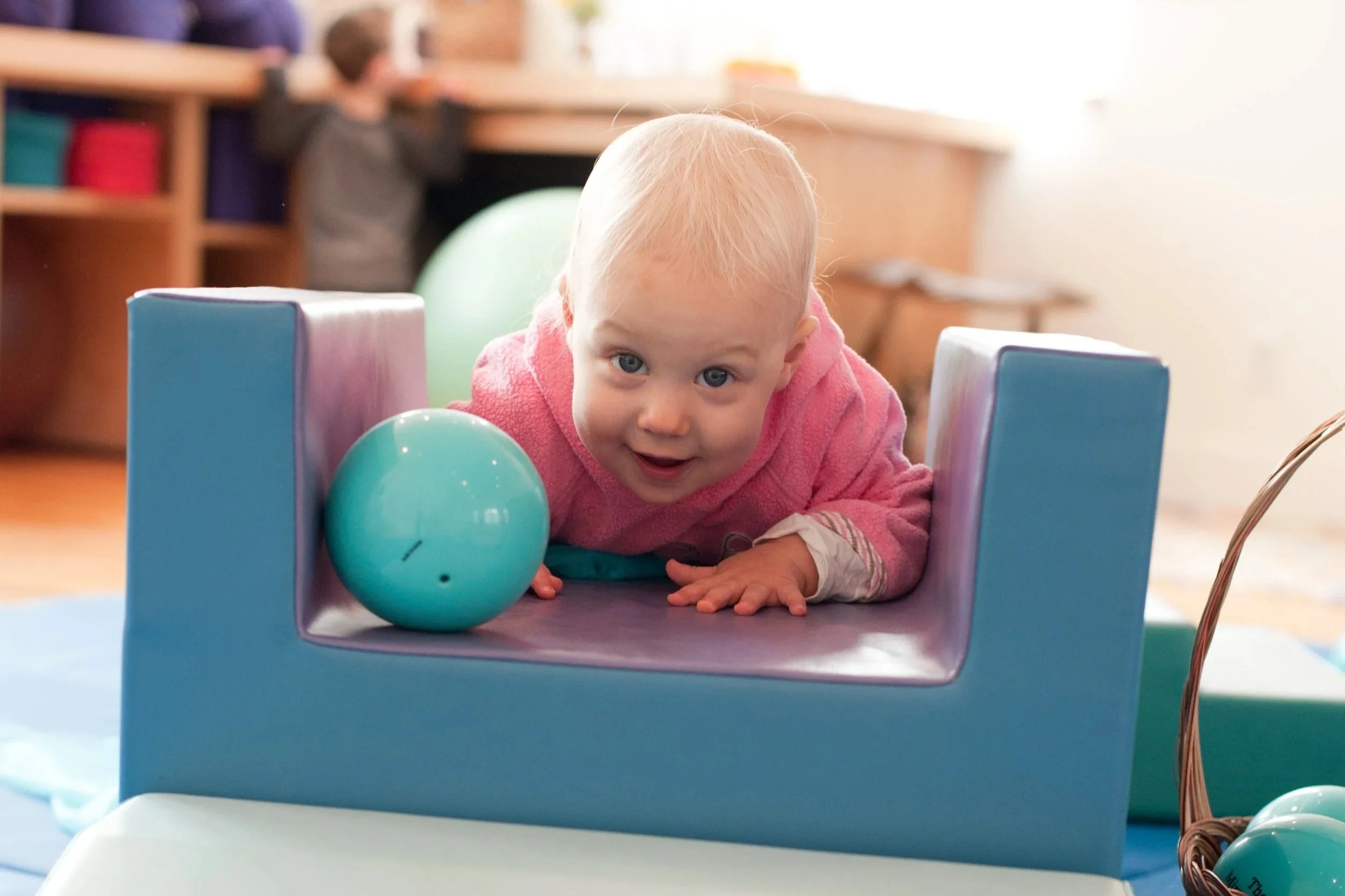
Preverbal trauma refers to experiences of overwhelm or harm that occurred during the time before a person had access to spoken language, generally before the age of two or three. These experiences can include difficult births, early medical procedures, hospitalizations, separations from a primary caregiver, illness or loss in the family, and ruptures in the early attachment relationship. Sometimes, preverbal trauma is the result of a single event. More often, it accumulates through repeated experiences of unmet need or disconnection.
What makes preverbal trauma particularly tender is that it leaves its imprint on a part of us that does not yet think in narrative. Adults living with preverbal trauma often describe sensations, dreads, body reactions, or relational patterns that feel deeply true but oddly hard to explain. They may have done years of talk therapy and still feel that something underneath has not been reached. This is not a failure of effort. It is a question of access. Words cannot easily reach what was stored before words.
Dr. Suzi Tortora has spent her career exploring this terrain. Her decades of clinical work and writing in the field of infant and early childhood mental health have shaped a body of knowledge that informs everything we offer.
How the Body Remembers What the Mind Cannot Speak
Bodies are remarkably faithful record-keepers. Long after a difficult experience has ended, the body continues to carry traces of how it tried to protect us. These traces often show up as patterns we cannot quite explain, and they can persist into adulthood until we find ways to address them directly.
Some of the ways preverbal trauma can surface later include:
Persistent feelings of being unsafe or hyper-vigilant without a clear reason
Difficulty trusting closeness in adult relationships, even when those relationships are healthy
Sensitivity to certain sensory inputs, such as touch, sound, smell, or temperature, that feels disproportionate
Recurring physical symptoms that medical evaluations cannot fully explain
Patterns of dissociation, numbness, or feeling disconnected from one's own body
Strong reactions to medical settings, separations, or being held in particular ways
A sense of grief or longing that feels older than any remembered experience
Difficulty regulating sleep, hunger, or other early-life rhythms
Recognizing these patterns is not about diagnosis. It is about beginning to understand the language of the body as it has been speaking all along. None of these experiences are signs of brokenness. They are signs of a body that adapted well to whatever it once faced, and that may now be ready to learn new ways of being. Our resource on trauma that happens before words and how to heal explores this in even more depth.
Why Body-Based Therapies Reach What Words Cannot
If trauma was stored before language, it makes sense that healing might require something more than language. Body-based therapies offer pathways into the parts of us that hold preverbal experience. They allow gentle, regulated access to what has been held quietly, often for decades, without forcing anything to surface before it is ready.
Creative arts therapy, which includes dance therapy and art therapy, uses the language of the body and creative expression to support healing. Through attention to posture, breath, gesture, and felt sense, a skilled therapist can help a person reconnect to parts of their experience that have been disowned or protected. Dance therapy in this context is not about performance or skill. It is a felt experience, slow and grounded, where the body is invited to share what it has been holding.
Somatic experiencing offers another doorway, working directly with the nervous system to release the survival energy that may have remained locked since infancy. And EMDR therapy, with its bilateral stimulation and attention to body sensation, can help reprocess early experiences without requiring a fully verbal account. Each of these approaches honors the body-mind connection, recognizing that our earliest knowing lives in our cells, our movement patterns, and our breath before it ever lives in our story.
Six Principles That Shape Our Approach to Preverbal Trauma Healing
Healing preverbal trauma is not a quick process, and it does not look the same for any two people. What helps it unfold well is a clear set of principles that keep the work safe, paced, and effective. Here are six that guide our work at Dancing Dialogue.
1. Slowness Is Sacred
Preverbal trauma asks for an unhurried pace. Pushing too quickly into early material can overwhelm a nervous system that is just beginning to trust the process. Going slowly, sometimes more slowly than the conscious mind wants, allows the body to settle, integrate, and ask for what comes next. There is no rushing this kind of healing, and that is part of its medicine.
2. Safety Is the Foundation
The body cannot release what it is holding until it feels safe enough to do so. Building a felt sense of safety with a therapist, in the room, and in one's own body is the foundation of every other part of the work. Without this foundation, even the most skillful technique cannot reach what needs reaching.
3. The Body Sets the Pace
In our work, we follow the wisdom of the body. We watch for small shifts in breath, posture, gaze, and gesture, and we let those signals guide what happens next. The body knows what it can handle in any given moment. Our role is to listen well and respond accordingly.
4. Healing Happens in Relationship
Preverbal trauma often involves disruption in early relationships. The path to healing tends to involve building new, safer relational experiences in the therapy room. The therapist becomes a kind of attuned partner, offering the consistent, regulated presence that may have been missing earlier. This is part of why our grief and loss work is woven so closely with attachment-focused care.
5. Nonverbal Experience Deserves Nonverbal Approaches
When the original wound predates language, the healing language must include the body. Verbal insight has its place, but it cannot be the only tool. Movement, sensation, breath, sound, and gesture are some of the most powerful instruments we have for reaching what words alone cannot touch.
6. The Whole Person Is Welcome
We do not treat trauma as a problem to be eliminated. We hold space for the whole person, including the parts of them shaped by what happened early on. Honoring those adaptations as the body's intelligence, not its failure, changes everything about the tone of the work. Healing becomes less about getting rid of something and more about welcoming all of who you are.
These principles are not rigid rules. They are gentle promises we make to the people we work with, and to ourselves as clinicians.
Finding Skilled, Compassionate Support
The work of healing preverbal trauma is best done with experienced clinicians who understand both the depth and the delicacy involved. Our practice offers specialized trauma and stress treatment across our full team. Dr. Suzi Tortora, Dr. Renee Ortega, and Jenn Whitley each bring deep training in body-based, attachment-aware care. Whether you connect with one clinician's voice or another's, our practice ensures continuity of care and shared philosophy across every relationship.
If you are wondering whether what you have been carrying could be rooted in preverbal experience, you do not need to figure it out alone. A conversation can be a gentle place to begin. Our office administrator, Lasha Guzman, is happy to help connect you with the right clinician for your situation. And if your interest is on the parent or caregiver side, our post on understanding your baby's experience through multisensory factors is a tender resource for those raising the next generation with awareness of these early influences.
The body has been waiting. It has been speaking, quietly and faithfully, all along. Listening to what it has to say is one of the most courageous, healing acts a person can offer themselves. We are honored to walk this path with anyone who is ready to begin.